
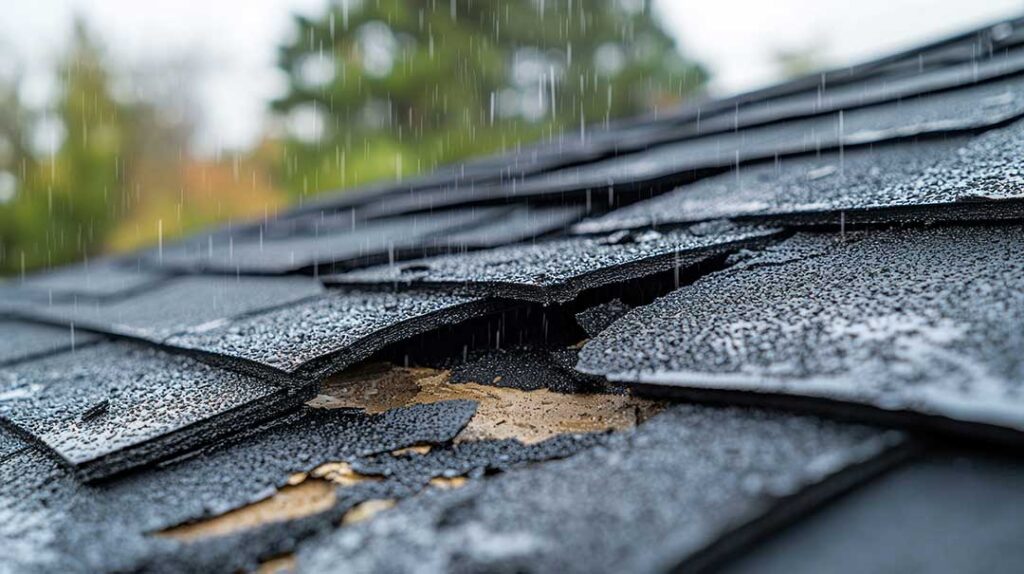
Roof damage does not stop during a pandemic, severe storm, extended power outage, or other community crisis. For households in Tupper Lake, NY, the safest response is to separate urgent protection from permanent repair, reduce unnecessary indoor contact, and document decisions carefully.
Which roof problems require immediate action?
A roof problem is urgent when it threatens people, the structure, or essential living areas. Active water entering the home, a partially collapsed ceiling, exposed electrical wiring, a large opening over a bedroom, or loose materials that could fall should not be treated as a routine maintenance issue.
The first priority is life safety:
- Keep people away from sagging ceilings, damaged attic areas, skylights, and sections beneath fallen trees.
- Move furniture, electronics, and other belongings away from leaks if it can be done without entering an unsafe area.
- Place containers under minor leaks, but do not climb onto a wet or icy roof.
- Shut off electricity only if the panel can be reached safely and water is not present near electrical equipment.
- Leave the home if structural damage, fire, carbon monoxide, or another immediate hazard makes it unsafe.
In the snowy and freeze-thaw conditions common around Tupper Lake, a small roof opening can become more serious when melting snow refreezes or when wind-driven precipitation enters behind roofing materials.
What can be done safely before permanent repairs?
Temporary protection is meant to limit additional damage, not replace a complete repair. If conditions permit, a homeowner may place a tarp over an accessible, low-risk area from the ground or from a stable interior location. The tarp should not require walking on a steep, icy, snow-covered, or damaged roof.
Do not climb onto the roof during high winds, active snowfall, freezing rain, darkness, or poor visibility. Snow and ice can conceal weak decking, open roof edges, and fallen branches. Ladders are also hazardous on frozen ground and may shift when used against a wet surface.
If a temporary covering cannot be installed safely, interior measures may still help:
- Use plastic sheeting or buckets to control water in finished areas.
- Open attic access only if there is no sign of structural movement, falling debris, or contaminated water.
- Remove wet insulation only when safe and when protective equipment is appropriate.
- Increase ventilation after a leak when outdoor conditions allow, while protecting the home from additional precipitation.
- Photograph damage before moving materials whenever possible.
Temporary measures should be checked after strong wind, heavy rain, or snow loading. A covering that comes loose can create new hazards.
How should roof repairs be handled during a respiratory illness outbreak?
Roof work is often performed outdoors, which can reduce indoor exposure, but the repair process may still involve close conversations, shared vehicles, attic access, paperwork, and repeated entry through the home.
A practical plan is to keep the repair primarily outside whenever possible. Discuss the scope, location of damage, materials, and access route by phone, video, email, or text before anyone arrives. If an interior inspection is necessary, identify the shortest route and remove unnecessary household activity from that area.
During periods of increased respiratory illness, reasonable precautions may include:
- Asking anyone who is sick to postpone non-urgent indoor work.
- Using a well-fitting mask during close indoor contact, especially around older adults, infants, or people with weakened immune systems.
- Improving airflow by opening windows when weather and heating conditions allow.
- Keeping indoor conversations brief and maintaining as much distance as the space permits.
- Avoiding shared food, drinks, tools, phones, and paperwork.
- Cleaning frequently touched surfaces after workers leave.
- Providing a clear place for workers to wash or sanitize their hands.
The Centers for Disease Control and Prevention identifies cleaner air, ventilation, staying home when sick, and appropriate masking as useful measures for reducing respiratory infection risk. ([cdc.gov](https://www.cdc.gov/niosh/respiratory/prevention/index.html?utm_source=openai))
A household does not need to create a complicated medical protocol for a small exterior repair. The main goal is to limit unnecessary indoor time and communicate openly about health concerns and access needs.
What if someone in the household is sick or medically vulnerable?
Non-urgent roof work may be delayed until the household member is no longer in the acute phase of illness and the risk of close contact is lower. Urgent repairs require more careful separation rather than simply ignoring the damage.
Options may include:
- Having the household member stay in a closed room away from the work route.
- Using a separate entrance, if one exists.
- Completing exterior work first and postponing interior inspection.
- Asking whether photographs, video, or measurements can replace an immediate indoor visit.
- Informing the people performing the work about mobility limits, respiratory concerns, or other safety needs without sharing unnecessary medical details.
Older adults, people with certain chronic conditions, and immunocompromised individuals may face a higher risk of severe respiratory illness. CDC guidance recommends considering added precautions, including cleaner air and well-fitting masks, when interacting with service providers. ([cdc.gov](https://www.cdc.gov/respiratory-viruses/risk-factors/index.html?utm_source=openai))
How should damage be documented during a crisis?
Photographs and written records can help with insurance, disaster assistance, landlord communication, and later repair decisions. Take wide photos showing the roof area and nearby surroundings, followed by close photos of missing shingles, punctures, water stains, damaged decking, fallen limbs, or interior damage.
Also record:
- The date and approximate time the damage was discovered.
- Weather conditions, such as high wind, heavy snow, ice, or a fallen tree.
- Rooms or contents affected by water.
- Temporary steps taken to prevent additional damage.
- Receipts for emergency materials, debris removal, drying equipment, or temporary lodging.
- Any communication about inspections, delays, access, or repair limitations.
Do not discard damaged materials before checking whether an insurer or disaster program requires inspection, unless they create an immediate health or safety hazard. If materials must be removed, photograph them first.
Federal disaster assistance rules vary by event and location. FEMA materials describe documentation, temporary protection, and repair assistance as separate issues, so a temporary roof covering should not be assumed to qualify as permanent repair or reimbursement. ([fema.gov](https://www.fema.gov/sites/default/files/documents/fema_iappg-1.1.pdf?utm_source=openai))
What should renters and landlords do?
Renters should promptly report active leaks, ceiling damage, or unsafe conditions in writing and keep a copy of the notice. A tenant should not make major roof alterations or climb onto the roof unless specifically authorized and properly equipped.
Landlords or property managers should respond first to conditions affecting habitability, such as significant water entry, electrical hazards, ceiling instability, or loss of heat. Communication should explain whether the response is an emergency stabilization, an inspection, or a permanent repair. During a public health crisis, access arrangements should account for occupants who are ill, isolated, elderly, or medically vulnerable.
When is do-it-yourself roof work unsafe?
Roof work should not be attempted by an untrained person when it involves steep slopes, ice, snow, unstable decking, electrical equipment, chainsaw use, large tree damage, structural movement, or work near roof edges. Falls can occur even on roofs that appear only mildly sloped, and emergency conditions often hide hazards.
Professional assistance is warranted when safe access, structural evaluation, fall protection, or specialized equipment is required. OSHA residential construction guidance emphasizes fall protection for construction work, reflecting the seriousness of roof-edge and ladder hazards. ([osha.gov](https://www.osha.gov/residential-fall-protection/guidance?utm_source=openai))
The most reliable crisis plan is simple: protect people first, stop water from causing additional damage when it can be done safely, keep indoor contact limited, and preserve a clear record of what happened and what was done.
