
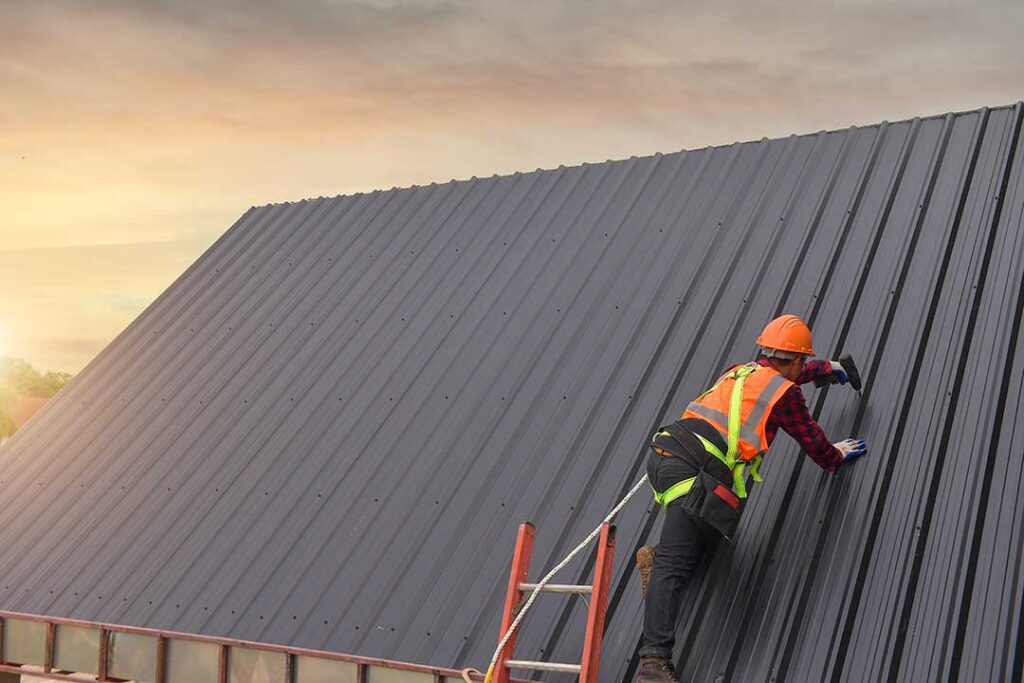
What does a roof fire rating mean?
A roof fire rating describes how a roof covering or complete roof assembly performs when exposed to fire. It does not mean the roof will never burn. Instead, the rating indicates how well the tested assembly resists flames, limits fire spread, protects the roof deck, and avoids creating a flying-ember hazard.
Roof coverings are commonly classified as Class A, Class B, Class C, or unrated. Class A provides the highest level of fire performance, while Class C provides the lowest level among the recognized classifications. These ratings are based on testing under specified conditions, not simply on the name of the roofing material. ([nfpa.org](https://www.nfpa.org/api/files?path=%2Ffiles%2FAboutTheCodes%2F1144%2F1144_A2017_WRP-AAA_FDmeetingagenda_7-15.pdf&utm_source=openai))
For homeowners, the most useful question is not only, “What is this roof made of?” It is also, “What fire classification does the entire installed roof assembly have?”
What are Class A, B, and C roof ratings?
The three primary classifications correspond to different levels of exposure during testing:
- Class A: Designed to resist severe fire exposure and provide a high degree of protection to the roof deck.
- Class B: Designed to resist moderate fire exposure and provide moderate protection.
- Class C: Designed to resist light fire exposure and provide limited protection compared with Class A and Class B.
- Unrated: Has not been demonstrated to meet one of those recognized classifications under the applicable testing standard.
Class A is generally the preferred rating for residential roofing where it is available and appropriate. Common Class A coverings may include fiberglass asphalt shingles, concrete or clay tile, slate, and certain metal roof systems. However, the classification depends on the tested installation, including the roof deck, underlayment, insulation, and attachment details. ([nfpa.org](https://www.nfpa.org/api/files?path=%2Ffiles%2FAboutTheCodes%2F1144%2F1144_A2017_WRP-AAA_FDmeetingagenda_7-15.pdf&utm_source=openai))
A roof product that appears noncombustible may not automatically have a Class A rating in every installation. Conversely, some products can achieve a higher rating only when installed with specific additional layers.
Is a roof rating the same as a fire-resistance rating?
No. These terms describe different performance characteristics.
A roof covering fire classification focuses on how the roof surface and assembly respond to fire exposure from above or outside. A fire-resistance rating, often expressed in minutes or hours, usually describes how long a wall, floor, ceiling, or structural assembly can resist fire from a particular direction while maintaining its function.
For example, a roof may have a Class A covering but still contain combustible wood framing beneath the roof deck. The Class A rating does not mean every structural component has a one-hour or two-hour fire-resistance rating.
The roof assembly may include the covering, roof deck, underlayment, insulation, vapor retarder, and other layers. New York’s residential code defines the roof assembly broadly and regulates both fire classification and installation requirements. ([codes.iccsafe.org](https://codes.iccsafe.org/content/NYSBC2025P1/chapter-2-definitions?utm_source=openai))
Why does the complete roof assembly matter?
Fire performance depends on how materials work together. A covering installed over one type of deck or underlayment may perform differently from the same covering installed over another combination.
This is why some products carry a “Class A by assembly” designation. The product itself may need a particular underlayment, roof deck, barrier, fastening method, or other component to achieve the listed rating. Using a different installation can invalidate the classification. ([nfpa.org](https://www.nfpa.org/-/media/Project/Storefront/Catalog/Files/Firewise/Fact-sheets/FirewiseFactSheetsRoofingMaterials.pdf?hash=DBD05958A93D90AB5C6212ABDBFE4C64&rev=c07cda5c030e4189a58460e8412bd0ab&utm_source=openai))
Homeowners reviewing roofing records should look for:
- The tested fire classification
- The applicable test standard, such as ASTM E108 or UL 790
- The required underlayment or barrier
- The roof deck type
- The fastening and installation instructions
- Any limitations related to slope, ventilation, or roof configuration
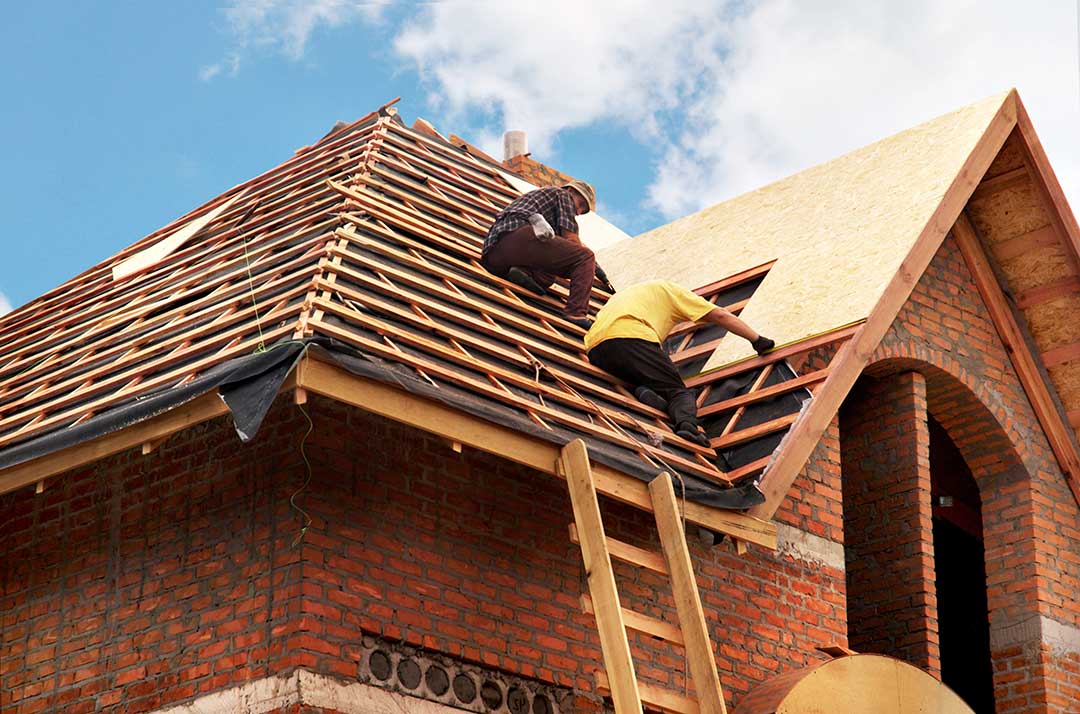
A label on a shingle bundle or product specification sheet is more reliable than a general statement such as “fire-resistant” or “noncombustible.”
What does New York’s code say about roof fire classification?
The 2025 Residential Code of New York State includes roof fire-classification requirements in Section R902. The code states that Class A, B, or C roof assemblies must be used where required by law or where the edge of the roof deck is less than 3 feet from a lot line. When a classification is required, the assembly must be tested under ASTM E108 or UL 790 and identified by an approved testing agency. ([codes.iccsafe.org](https://codes.iccsafe.org/content/NYSRC2025P1/chapter-9-roof-assemblies?utm_source=openai))
The 2025 New York Uniform Code became effective on December 31, 2025, according to the New York State Department of State. Existing homes and repair projects may involve additional questions about which code provisions apply, so the applicable requirements can depend on the project scope, permit status, building type, and local enforcement process. ([dos.ny.gov](https://dos.ny.gov/notice-adoption?utm_source=openai))
A roof replacement is not automatically governed by the same requirements as new construction in every situation. If the roof is being substantially altered, if the roof deck is being replaced, or if the building is close to a property line, code review may be especially relevant.
Which roofing materials commonly have strong fire performance?
Several materials can be installed as Class A assemblies, but the exact rating depends on the listed system.
Fiberglass asphalt shingles are widely used on homes and are often available in Class A assemblies. Their performance can depend on the shingle design, underlayment, roof deck, and installation method.
Metal roofing is often associated with fire resistance, but a metal panel does not automatically provide a Class A roof assembly. The deck and materials beneath it can affect the tested result.
Clay, concrete, and slate roofing are generally noncombustible materials and may qualify as Class A when installed over approved decks and underlayments.
Wood shingles and shakes require closer attention. Some are treated and tested for a fire classification, while untreated wood products may have substantially different fire performance. Treatment, labeling, weathering, maintenance, and installation all matter.
In cold, snowy conditions, including those experienced by local households, roof design must address more than fire. Ice, snow accumulation, ventilation, moisture, and freeze-thaw cycles can affect the condition of the roof assembly over time. A fire rating does not guarantee resistance to leaks, wind damage, ice dams, or structural overloading.
Do solar panels change a roof’s fire classification?
They can. Rooftop photovoltaic systems installed on or above a roof covering must have a fire classification under the applicable code provisions. Building-integrated photovoltaic products are evaluated differently from panels mounted above an existing roof covering. ([codes.iccsafe.org](https://codes.iccsafe.org/content/NYSRC2025P1/chapter-9-roof-assemblies?utm_source=openai))
Solar equipment should not be treated as independent of the roof. Panel layout, mounting hardware, wiring, clearances, and the underlying roof assembly can affect the overall system. Product documentation should identify the required fire classification and installation conditions.
How can homeowners verify a roof’s rating?
Start with the product label, installation instructions, permit records, or documentation provided when the roof was installed. Look for a specific statement such as “Class A roof assembly” rather than general language about fire resistance.
If documentation is unavailable, visual inspection alone usually cannot establish the rating. The same visible roofing material may be part of different assemblies with different classifications. Questions about a replacement, roof-deck repair, solar installation, or a roof near a lot line may require review by the local code-enforcement authority or another qualified building professional because safety and compliance are involved.
A practical record for the home should include the roofing material, installation date, roof deck information, underlayment type, fire classification, and any solar or specialty-system documentation. Keeping those records can make future repairs and code questions easier to resolve.
