
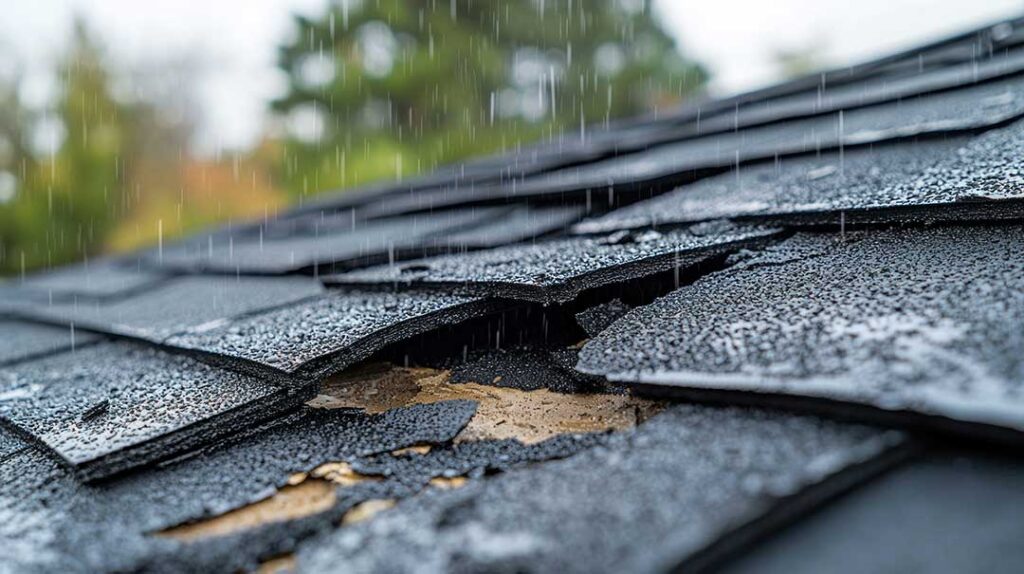
Gutter cleaning is a routine part of roof care, but it is often treated as a minor maintenance task. In reality, clear gutters help control where rainwater and melting snow go after they leave the roof. When gutters are blocked, water can collect along roof edges, seep into building materials, freeze during cold weather, and contribute to damage that may not be visible until months later.
For homes in Tupper Lake, NY, seasonal changes make this especially relevant. Heavy leaf fall, winter snow, repeated freeze-thaw cycles, and spring runoff can all place extra demands on roof drainage systems.
What does gutter cleaning have to do with roofing?
Gutters protect roofing by moving water away from the roof edge, fascia, walls, foundation, and other vulnerable areas. When leaves, pine needles, shingle granules, or ice obstruct the channel, water may back up beneath the roof covering or spill over the side.
A blocked gutter can contribute to:
- Wet or deteriorated fascia boards
- Rot at roof edges and eaves
- Water stains on exterior walls or ceilings
- Damage to soffits and attic ventilation areas
- Erosion near the foundation
- Ice buildup along the roof edge
- Premature wear around roof penetrations and flashing
The gutter itself is not the only concern. Roofing systems depend on proper drainage to keep moisture from remaining against wood, underlayment, trim, and insulation.
Why are clogged gutters a problem during fall and winter?
Autumn debris is a common cause of gutter blockage. Trees can deposit leaves, needles, seed pods, and small twigs into the drainage system. As this material becomes wet, it can compact into a dense layer that prevents water from flowing toward the downspouts.
Winter adds another complication. In cold conditions, trapped water can freeze inside a gutter or at the roof edge. If temperatures rise during the day and fall again at night, the repeated freezing and thawing can loosen fasteners, distort gutter sections, and place stress on roof-edge materials.
Ice buildup along the eaves is sometimes associated with ice dams. An ice dam forms when heat escaping through the upper roof melts snow, while colder roof edges allow the water to refreeze. A blocked gutter may make the situation worse by preventing meltwater from draining away. However, gutter cleaning alone does not solve every ice-dam problem. Attic insulation, air sealing, ventilation, snow depth, and roof design also play important roles.
How often should gutters be cleaned?
Many homes need gutter cleaning at least twice a year: once in late spring and again after most leaves have fallen in autumn. Some properties require more frequent attention if they are surrounded by mature trees, have steep roof sections, or receive substantial debris from nearby vegetation.
A practical schedule may include:
- Late spring: Remove debris left by winter and early-season storms.
- Mid-to-late autumn: Clear leaves and needles after major leaf drop.
- After severe weather: Check for branches, shingle fragments, or displaced gutter sections.
- Before winter: Confirm that downspouts are open and discharge water away from the foundation.
The right schedule depends on the property. A small home with little nearby vegetation may need less frequent cleaning than a house beneath several mature trees.
What signs show that gutters may be affecting the roof?
Visible overflow is one of the clearest warning signs, but it is not the only one. Roofing-related problems can develop even when a gutter appears to be functioning during light rain.
Look for:
- Water spilling over the front or back edge during rainfall
- Sagging or separated gutter sections
- Staining below the roof edge
- Peeling paint or soft wood near the fascia
- Damp areas in an attic or upper wall
- Mold-like discoloration around soffits
- Pools of water or soil erosion below downspouts
- Shingle granules collecting in the gutter
- Ice accumulation concentrated near the eaves
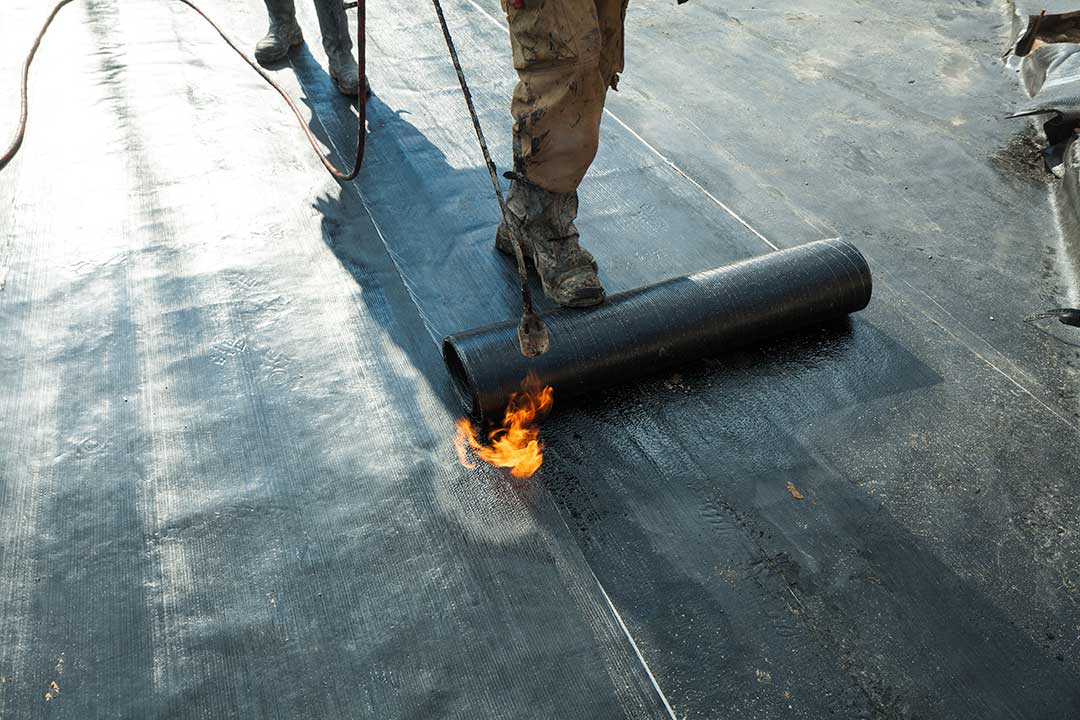
Some gutter debris is normal, especially after a roof replacement or a period of shingle wear. A large or sudden amount of granules, however, may indicate aging shingles or another roofing concern. Cleaning the gutter does not remove the need to investigate the source of unusual debris.
Can overflowing gutters cause roof leaks?
Overflowing gutters can contribute to leaks, but they are not the only possible cause. Water may run behind the gutter and soak the fascia or roof-edge framing. If the roof edge, flashing, or underlayment is already deteriorated, that additional moisture can enter the roof assembly.
A leak may not appear directly above the damaged area. Water can travel along rafters, roof decking, insulation, or wall cavities before becoming visible indoors. For that reason, a ceiling stain should not automatically be attributed to the nearest gutter or roof penetration.
A useful distinction is that gutter overflow is usually a drainage problem, while a roof leak may involve damaged shingles, flashing, ventilation components, or underlayment. Both conditions can occur at the same time.
Why do downspouts matter as much as the gutters?
A clean gutter cannot drain properly if the downspout is blocked. Leaves and compacted debris often collect at the top of the downspout, while sediment or small objects can obstruct the lower section.
Downspouts should direct water far enough away from the foundation that it does not flow back toward the building. Poor discharge can contribute to:
- Basement or crawl-space moisture
- Foundation-area erosion
- Saturated soil beside the house
- Splashback onto siding
- Water freezing on walkways or entry areas
In snowy conditions, downspouts may also become buried or displaced by ice and snow. Keeping the outlet visible and clear helps reduce uncontrolled runoff during thaws.
Is gutter cleaning safe to do personally?
Gutter cleaning can be a manageable maintenance task, but roof edges and ladders create genuine fall hazards. Conditions become more dangerous when the roof is wet, icy, steep, unusually high, or difficult to access. Snow-covered ground can also make ladder placement unstable.
Anyone performing basic cleaning should use stable equipment, avoid standing on the roof when conditions are hazardous, and never treat a gutter as a handhold. Electrical lines, fragile roof materials, and hidden ice require additional caution.
Safety concerns are especially significant when a damaged gutter is attached to deteriorated fascia or when debris must be removed from a multi-story roof. In those situations, the risk may outweigh the value of performing the work personally.
Does gutter cleaning extend the life of a roof?
Regular cleaning cannot prevent every roofing problem, but it can reduce moisture exposure at the roof edge and help reveal developing defects earlier. Gutters that are cleaned and properly aligned are less likely to overflow during normal rainfall, and open downspouts make spring snowmelt easier to manage.
Cleaning also creates an opportunity to notice conditions such as loose flashing, lifted shingles, sagging roof edges, deteriorated trim, or unusually heavy granule loss. Early observation does not guarantee that a repair will be minor, but it can prevent a small drainage issue from remaining hidden through several seasons.
For local households, a simple inspection after autumn leaf fall and again before spring runoff can provide useful information about how well the roof drainage system is handling changing weather. Gutter maintenance is only one part of roof care, but it directly supports the system’s basic job: moving water away from the home before it can enter or damage the structure.
