
Can Replacing a Roof Lower Energy Bills in Tupper Lake, NY?
Replacing an older or damaged roof can make a noticeable difference in household energy bills, especially in climates like Tupper Lake, NY, marked by chilly winters and warm, humid summers. A new roof improves the barrier between indoor and outdoor temperatures, reducing the workload for heating and cooling systems.
Local homes often struggle with heat loss in winter and heat gain in summer due to outdated roofing materials, poor ventilation, or insufficient insulation. Upgrading the roof helps prevent these issues and can directly lower energy usage throughout the year.
How Does a New Roof Improve Insulation?
A new roof installation usually comes with updated insulation materials and methods that weren't available decades ago. Many older homes in Tupper Lake have original roofing that allows more heat to escape or enter the living spaces.
Modern roofing systems typically include:
- Better underlayments that seal out moisture and air leaks.
- Improved shingle technologies that reflect solar heat.
- Proper ventilation to balance attic temperatures.
- Opportunities for added insulation in attics or roof decks.
When these improvements are installed at the same time as a roof replacement, the entire house becomes easier to heat in winter and cool in the summer, resulting in lower energy bills. Local homes with attics benefit most, as heat naturally rises and can escape through poorly insulated or ventilated roofs.
What Kind of Roofing Materials Affect Energy Efficiency the Most?
Some roofing materials hold or repel heat better than others. In Tupper Lake, where both strong winter winds and summer sun are a factor, residents can select materials that best support their comfort and efficiency goals:
- Metal roofing reflects sunlight, keeping homes cooler on hot August days.
- Architectural asphalt shingles with lighter colors can reflect part of the sun’s heat, rather than absorbing it.
- Composite shingles and modern membranes often have additives to reduce thermal transfer.
- Properly installed attic ventilation ensures heat does not build up in summer or get trapped in winter.
Homes with older, dark, or deteriorating shingles tend to be less energy-efficient due to higher heat absorption and a lack of proper insulation beneath the surface. Newer materials, matched to the local climate, support better energy management.
How Much Can Energy Costs Change After a Roof Replacement?
Savings on energy bills after a roof replacement vary depending on the home’s original condition, the age and type of the previous roof, and whether insulation or ventilation were added in the new installation.
For many area residents, a new roof leads to:
- More consistent indoor temperatures.
- Shorter or less frequent heating and cooling cycles.
- Reduced drafts or cold spots near ceilings and attic doors.
- Less need to use space heaters or window air conditioners, which are common in older homes.
While it’s difficult to estimate a specific dollar amount for every household, case studies in climates similar to Tupper Lake’s suggest annual savings of 10–20% are possible, particularly when additional insulation is installed during the roofing project.
What Roof Features Are Often Overlooked in Energy Savings?
Roof replacements offer a chance to fix features that gradually sap energy and drive up costs. Some commonly underestimated upgrades include:
- Sealing gaps and penetrations around pipes, chimneys, and vents.
- Updating or adding vapor barriers to prevent moisture issues that can degrade insulation.
- Improving ridge and soffit ventilation to keep attics dry and temperature balanced.
- Ensuring that rain and snow runoff is managed to prevent future leaks or ice dams, which can further harm insulation and energy performance.
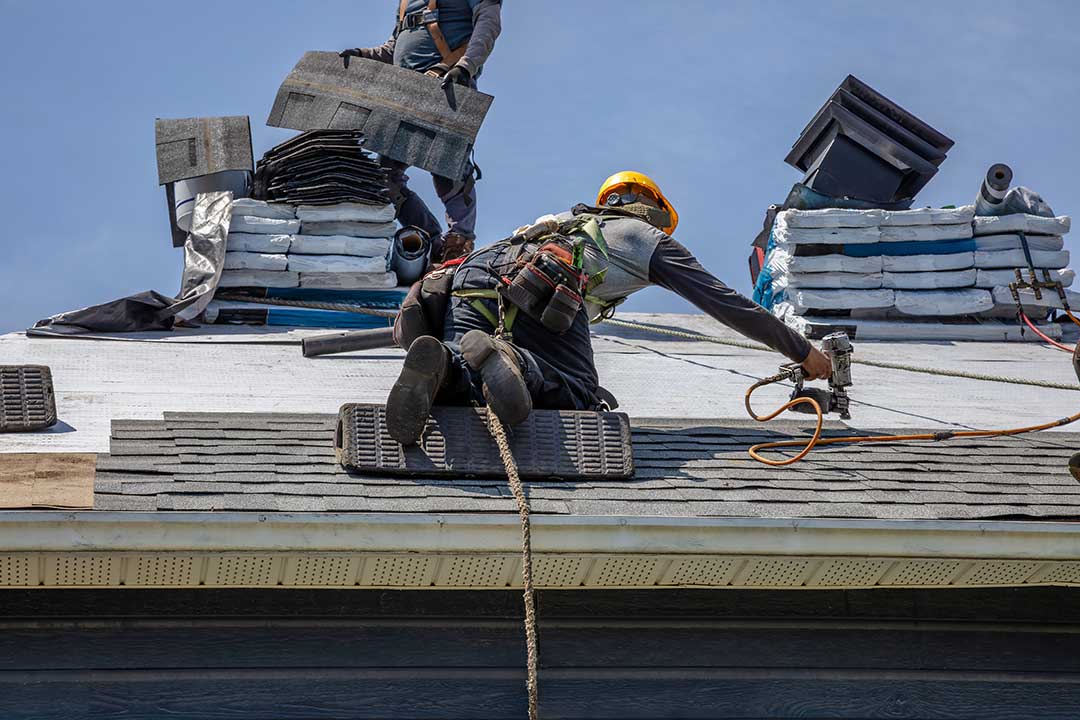
Some residents believe only the roofing material matters, but improper sealing of roof features or poor attic airflow can undo the benefits of any high-efficiency shingle or tile.
Are There Local Factors Affecting Roof Energy Performance?
Local weather patterns play a big role in how effectively a new roof can control energy costs. In Tupper Lake, households experience:
- Snow loads and ice dams that can damage old roofs and lead to hidden leaks.
- Quick temperature swings between day and night, creating expansion and contraction.
- Regular periods of high humidity, increasing the risk of mold or wet insulation if roofs aren’t properly sealed.
Replacing a roof in this region isn’t just about aesthetics or structural safety—choosing materials and techniques designed for northern climates guards against heat loss in January and heat gain in July. Adding or upgrading attic insulation during the roof replacement is especially worthwhile for homes with large under-roof spaces, which are common in the area.
What Are Practical Steps for Residents to Maximize Energy Benefits?
To get the most from a roof replacement in terms of energy savings, local homeowners can:
- Ask about roofing systems that combine both new materials and added attic insulation.
- Ensure that attic ventilation is upgraded at the same time as roofing work.
- Choose lighter-colored shingles or reflective materials if maximizing summer cooling is a priority.
- Have attics inspected for gaps, old insulation, and ventilation issues before planning a replacement.
While a new roof can’t address every home energy issue on its own, it addresses the single largest surface where energy is often lost or gained. Paired with targeted improvements in attic insulation and ventilation, a full roof replacement sets the stage for lasting reductions in household heating and cooling costs.
