
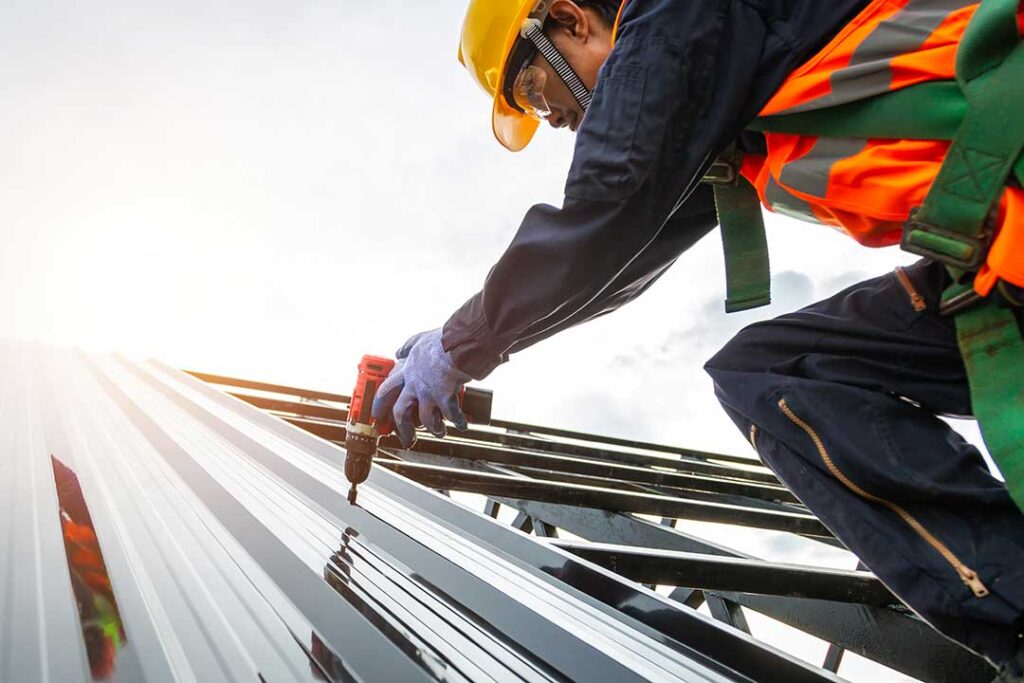
Why Is Rooftop Safety a Big Concern for Local Homeowners?
Many homeowners in Tupper Lake, NY occasionally find themselves climbing onto their roofs to inspect, clean, or repair. But roof surfaces can be surprisingly dangerous—even for those who feel comfortable at heights. Each year, falls from roofs cause injuries both minor and severe. Seasonal weather, such as icy winters and stormy summers common to the region, can make local conditions especially risky. Understanding a few key practices greatly reduces the chance of accidents for area households.
Is Your Roof Safe to Walk On in the First Place?
Always assess whether your roof can safely support weight before stepping onto it. In older Tupper Lake homes, time, moisture, and snow loads can weaken roofing materials and decking. Signs of trouble may include visible sagging, soft or springy spots, loose shingles, or rot at the roof’s edge. If the roof has been leaking or hasn’t been inspected in years, it may not be safe. In such cases, avoid walking on it and use binoculars or a camera pole from ground level to check the condition.
What Weather and Seasonal Hazards Should You Consider?
Local weather in Tupper Lake brings unique hazards. During late fall through spring, roofs can remain slick with water, frost, or ice longer than ground surfaces. Summer introduces its own risks, with heat, sun glare, and sudden thunderstorms to keep in mind.
- Never climb onto a wet, icy, or snowy roof.
- Don’t attempt work on windy days, as gusts are unpredictable.
- Schedule work in mid-morning or early evening to avoid the strongest sun and slipperiest surfaces.
Always wait until multiple warm days have passed after snow or ice events. Even if driveways seem clear, north-facing and shaded roof sections can stay hazardous much longer.
What Type of Footwear and Clothing Works Best?
Proper footwear provides the grip and stability needed to move safely on pitched surfaces.
- Choose shoes or boots with soft, rubber soles (such as those designed for walking on asphalt) when possible.
- Avoid sandals, athletic shoes with worn treads, and anything with a slick or hard bottom.
- Wear long pants and protective gloves to reduce scrapes and splinters from shingles or flashing.
Loose clothing can snag on gutters and vents, so stick with fitted but comfortable attire.
How Can Ladders Be Safely Positioned?
A sturdy ladder is the safest path to your roof, but only if it’s set up correctly. Place the ladder on a solid, level surface—never on uneven ground or sloped lawns. Secure the ladder by:
- Extending it three feet above the edge of the roof.
- Checking that each foot is stable and will not shift as you climb.
- Anchoring the top with wire, rope, or a stabilizer whenever possible.
Have another adult hold the ladder steady as you ascend, especially if you are inexperienced or the ground is soft after rain.
What Precautions Reduce Fall Risks Once You’re on the Roof?
Falls are the most common and serious rooftop accident. Even low, one-story roofs can lead to injury. Local residents can lower their risk by:
- Staying away from roof edges whenever possible.
- Keeping tools secured in a tool belt or bucket—never leaving them loose where you might trip.
- Avoiding standing directly on ridges or steep slopes.
- Marking skylights or soft spots with brightly colored tape to prevent accidental steps.
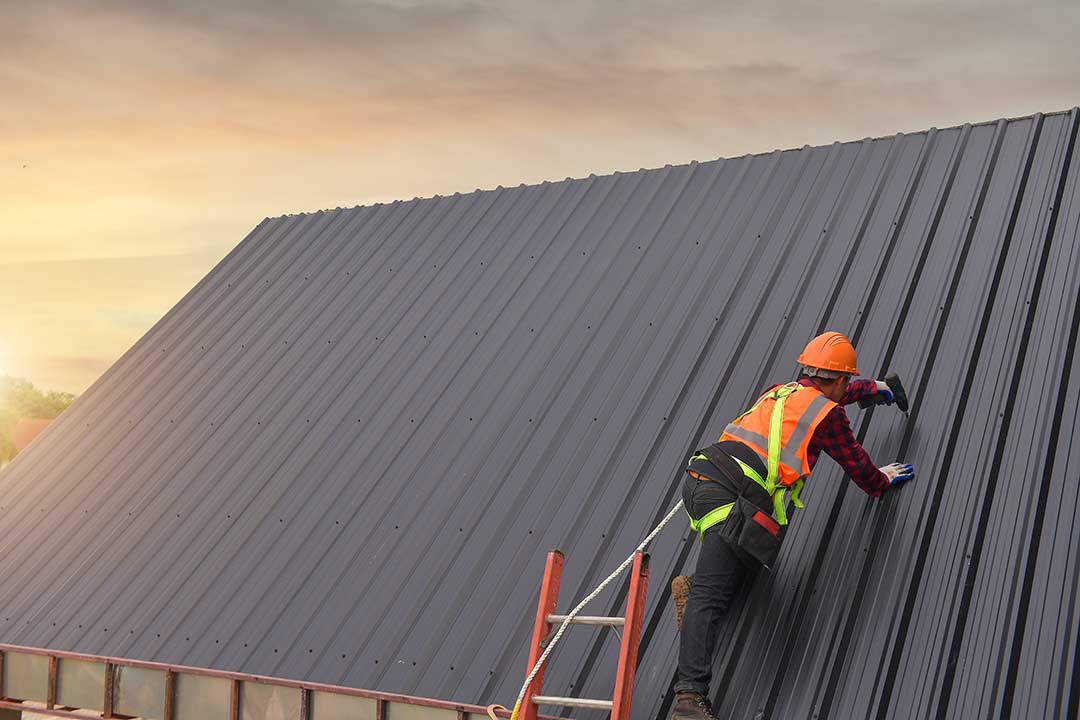
On higher or steeper roofs, or when working alone, wearing a fall-arrest harness secured to a solid anchor point provides extra protection but may not substitute for caution.
What Tasks Can Homeowners Reasonably Do Themselves?
Some simple jobs are realistic for do-it-yourselfers with healthy mobility in the Tupper Lake community, such as:
- Cleaning gutters with handheld tools (using a ladder rather than walking along the roof edge)
- Inspecting for missing or damaged shingles from a stable area near the eaves
- Removing small debris by hand
Tasks that require walking across steep pitches, working close to installation edges, lifting heavy materials, or moving among multiple roof levels are significantly riskier and may exceed the comfort and skill of most local homeowners. For these projects, safety may require more advanced equipment and experience.
What Common Misconceptions Lead to Accidents?
It’s common for area residents to underestimate the risks of a “quick trip” onto the roof or assume that lower or newer roofs are always safe. Other misconceptions include:
- Believing rubber-soled sneakers grip as well as specialty roofing boots (in reality, most sneakers lack necessary traction)
- Thinking that dry snowfall provides a safe, non-slip surface (even shallow snow can hide ice, making the surface unexpectedly slick)
- Underestimating the extra risk posed by loose moss, leaves, or acorns, which can act like marbles underfoot
Simple awareness of these hazards changes decision-making and keeps more households safe.
Where Can Homeowners Learn About Local Roof Safety Regulations?
In Tupper Lake, building codes and insurance policies may dictate certain requirements for roof access and repairs, especially for multi-family homes or when large-scale work is planned. Homeowners can find credible information at:
- The local municipal or town office's building code section—especially for questions about railing, guard, or harness requirements
- Area insurance agents, who may offer policy-specific recommendations for maintenance and accident prevention
- Online resources from reputable safety organizations such as the Occupational Safety and Health Administration (OSHA)
Be aware that guidelines can differ from property to property, particularly in older homes with unique architectural features.
