
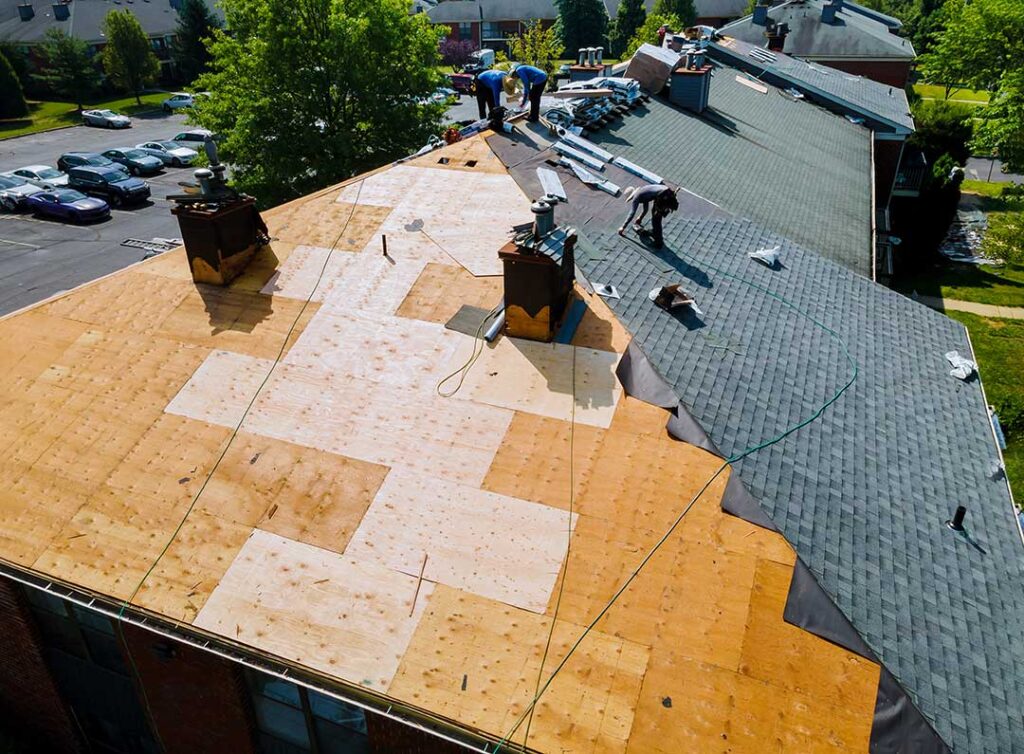
Why Do Residents in Tupper Lake, NY Ask About Preventive Roof Maintenance?
Tupper Lake, NY is known for its cold winters, variable snowfall, and periods of heavy rain. Many homeowners and landlords want to protect their homes from leaks, ice dams, and damage that can be expensive to fix. Preventive maintenance is often less disruptive and more cost-effective than major repairs after trouble arises. Residents naturally wonder if regular checks and small repairs are genuinely worth the effort.
Preventive roof maintenance means regularly inspecting the roof, dealing with minor issues like missing shingles, clearing gutters, and addressing moss or algae growth before they cause larger problems. In the local climate, this care is more than just a recommendation — it is a direct response to the distinct seasonal stresses Tupper Lake roofs face.
What Specific Challenges Do Roofs Face in Tupper Lake?
Roofs in Tupper Lake put up with a unique mix of weather conditions that accelerate wear and tear:
- Heavy snowfalls and ice: Snow accumulation and freeze-thaw cycles can pry up shingles, form ice dams, and add excess weight.
- Rain and humidity: Precipitation can lead to slow leaks, rot, and mold if not managed early.
- Wind and falling branches: Storm gusts can loosen or strip roofing materials and deposit debris that may clog drainage areas.
- Rapid weather changes: Shifting between cold and brief warm spells stresses roofing materials and hastens deterioration.
These factors contribute to the reason why preventive work can pay off in the long run, especially compared to just fixing problems as they arise.
How Does Preventive Maintenance Actually Save Money Over Time?
Short-term fixes often seem less expensive, but small, unattended problems often lead to major repairs or even full roof replacement sooner than expected. By maintaining the roof, residents can:
- Spot leaks in early stages, avoiding costly water damage to attic spaces, insulation, walls, and floors
- Extend the useful life of shingles, flashing, and supporting wood
- Minimize the need for sudden, emergency repairs, which tend to cost more and may require temporary fixes if conditions are poor
For example, clearing leaves and needles from gutters in early fall helps melting snow flow off the roof instead of backing up under shingles. Replacing a handful of missing or cracked shingles after a winter storm lowers the risk of leaks developing during spring rains.
What Specific Tasks Should Homeowners Include in Preventive Maintenance?
For most homes in Tupper Lake, a few simple but regular tasks greatly reduce risk:
- Visual inspections: Walk around the property looking for missing shingles, curled edges, granules in downspouts, rusted flashing, or visible sagging.
- Gutter cleaning: Remove debris every fall and spring to keep drainage clear. Blocked gutters increase the likelihood of ice dams and wood rot.
- Trimming overhanging branches: Reduce the risk of mechanical roof damage and limit moss growth fostered by shaded, damp conditions.
- Checking attic insulation and ventilation: Well-insulated attics keep roof temperatures consistent, helping to reduce both ice dams and condensation that can rot wood from beneath.
- Inspecting after major storms: Even if no leaks are visible, check the roof following storms with heavy wind, snow, or hail.
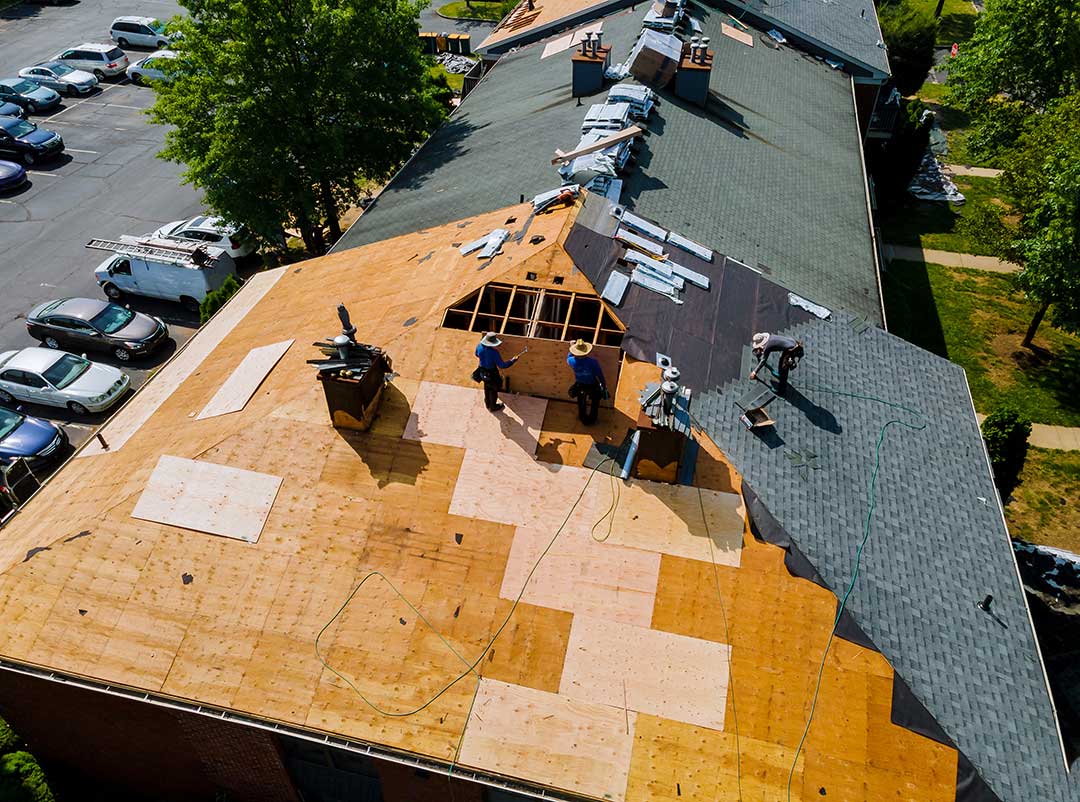
Homeowners should avoid climbing on steep or icy roofs. From the ground or a safe ladder, many issues can be spotted without risk.
Can Preventive Maintenance Affect a Home’s Resale Value in Tupper Lake?
Yes, the care shown through regular maintenance is often reflected in home inspection reports and buyer confidence. Homes with documented roof upkeep and a lack of water staining or mold in attics frequently sell more easily and may achieve slightly higher values, since buyers factor in the cost of future roof work and the likelihood of unexpected issues.
In Tupper Lake, where many homes are older and may have complex rooflines or additions, evidence of ongoing maintenance reduces concern about hidden damage or the need for immediate replacements. Appraisers and inspectors often note the relative age and health of the roof when determining the value of a property.
What Are Common Misconceptions About Preventive Roof Care?
Several myths can lead to expensive oversights:
- "Roofs are maintenance-free until they leak." Even newer roofs develop minor issues over time; waiting until a leak is visible almost always means higher repair bills.
- "Winter is too late for maintenance." Some tasks, like removing roof snow safely or clearing ice dams, should be done during winter if signs of water backup appear.
- "If I don’t see missing shingles, everything’s fine." Problems often begin beneath the surface. Missing granules, poor attic ventilation, or hidden flashing gaps are all early warning signs.
- "All maintenance must be done by a professional." While certain repairs and safety-sensitive tasks require skill or special equipment, homeowners can personally handle regular inspections, basic cleaning, and trim work with appropriate caution.
What Local Regulations or Safety Concerns Apply to Roof Maintenance?
There are typically no special permits required for basic maintenance on residential roofs in Tupper Lake, but large-scale repairs, re-roofing, or working close to power lines may be regulated. Local ordinances or homeowners’ associations might require notification for significant exterior alterations, especially in historic parts of the community.
Residents should always follow ladder safety guidelines and avoid roof work during icy or windy conditions. If a roof is steep, high, or shows structural instability (like visible sagging or rotting at the edges), it’s best to avoid climbing and seek assistance. Safety always comes first.
—
